


Understanding Radon: Essential Steps for Effective Mitigation in Your Home
Radon is an invisible threat that many homeowners are unaware of, yet it poses a significant health risk. This colourless, odourless gas can seep into homes from the ground and, when accumulated at high levels, it’s a leading cause of lung cancer. Fortunately, radon levels can be effectively managed with proper awareness and the right actions. In this article, we’ll explore the top five essential steps for mitigating radon in your home, helping you ensure a safer living environment for you and your family.
Test Your Home for Radon
The first and most crucial step in radon mitigation is testing your home. Without knowing the radon levels, taking the necessary steps to address the issue is impossible. Performing a radonmåling i enebolig is a key part of this process, as it ensures you capture an accurate reading of radon levels in all areas of your living space. Home radon test kits are readily available and easy to use, providing essential data for assessment. It’s recommended to test all areas of your home, particularly basements and ground floors, where radon is more likely to accumulate.
Seal Cracks in Your Home’s Foundation
Radon typically gets into your home through gaps in the foundation, floors, and walls. Sealing these entry points is one of the most effective ways to reduce radon levels. Use a high-quality caulk or sealant to fill any visible cracks in your home’s foundation, especially around pipes, drains, and other openings. While sealing alone may not be enough to mitigate radon completely, it is an essential step in reducing its entry into your home.

Improve Your Home’s Ventilation
Increasing ventilation in your home can reduce radon levels by diluting the concentration of radon in the air. Simple measures like opening windows and using fans can improve air circulation. However, consider installing a mechanical ventilation system, like a Heat Recovery Ventilator (HRV) or an Energy Recovery Ventilator (ERV) for more effective results. These systems help reduce radon levels and improve indoor air quality through bringing fresh air into your home while conserving energy.
Install a Radon Mitigation System
A specialized radon mitigation system may be necessary for homes with high radon levels. The most common system is a sub-slab depressurization system, which involves installing a pipe system and fan to suck radon from beneath the house and vent it outside. This prevents radon from entering the home and significantly lowers indoor radon levels. Hiring a professional to install and maintain this system ensures that it operates effectively and efficiently.
Regularly Monitor Radon Levels
After taking steps to mitigate radon, it’s essential to regularly monitor the levels in your home to ensure that the mitigation efforts are practical. Continuous radon monitors can provide real-time data on radon levels, alerting you if they begin to rise again. Regular monitoring help you to respond quickly to any changes, ensuring your home remains safe. Radon is a serious health risk, but it can be managed with the right approach. By testing your home, sealing entry …
 Establishing a regular cleaning routine for your
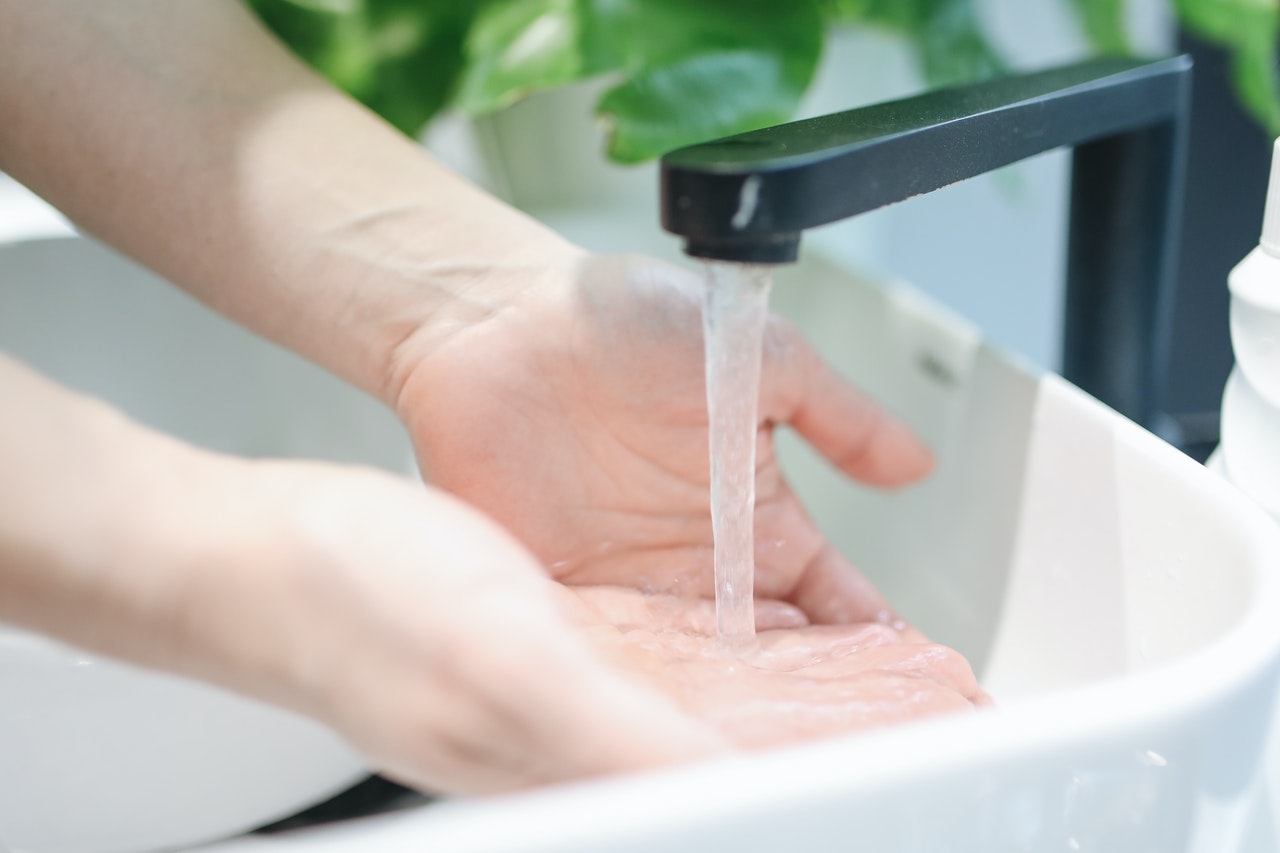
  If you live in an area with hard water, installing a softer water system is important. Hard water can damage your water filtration system and reduce its effectiveness. By installing a softer water system, you can protect your investment and ensure that your home water filtration system is working correctly. For instance, if you have a whole-house system, a water softener can help extend the life of your system by preventing scale buildup. By following these simple tips, you can maintain your home water filtration system and ensure that your family is always drinking clean, safe water.
 Before you even start shopping for furniture, you need to measure the room and decide on a layout that will work well for both you and your child. Consider the amount of space you have and how much storage your child will need. You’ll also want to think about traffic patterns in the room and make sure there’s enough space for your child to play. The size of the bed is also essential, so be sure to measure and find a mattress that will fit comfortably in the room. Once you have a layout in mind, start shopping for furniture. Look for pieces that are both stylish and functional.
 Since money may be tight when designing a child’s bedroom, it’s essential to shop around and find the best deals on furniture and accessories. Look for sales at your favorite stores or online retailers. If you have a specific theme in mind, like butterflies or pirates, search for themed furniture and accessories that fit your budget. You do not have to spend a lot of money to make the room look great. When designing your child’s room, you should consider what colors they prefer and how much money you want to spend. It would help if you also thought about furniture and the layout of their bedroom.…

 One of the best ways to understand how a particular water filter performs is to read reviews from other consumers. It can give you a good sense of what to expect and might help you decide which system to buy. There are other ways to ensure you get the perfect home water filter for your needs. By following the tips above, you’ll be on your way to finding the perfect filter for you and your family. Hopefully, these tips will help you when shopping for a new home water filter. Keep in mind that every filter system is different, so make sure you research and find one that meets your specific needs.…